Garbara Daisy Flowers: A Designer's Embroidery Review
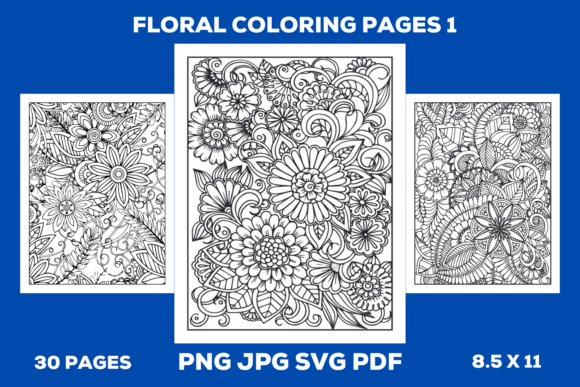
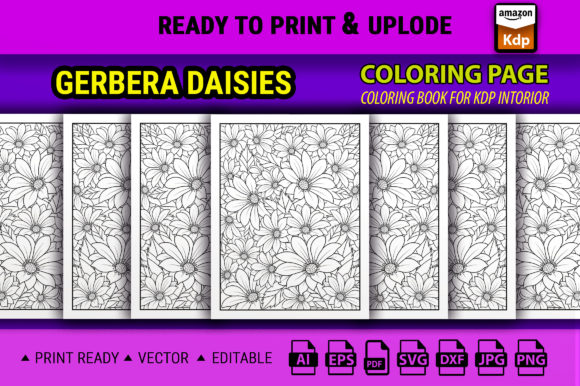
When you pull up a new file on your screen, the first question isn’t about formats—it’s about feel. The Garbara Daisy Flowers Coloring Page lands with a cheerful, open simplicity. These aren’t tightly packed, hyper-realistic botanicals; they’re friendly, outlined daisies with a playful, almost storybook personality. The mood is light, uncomplicated, and inherently welcoming. It feels like a design meant to bring a smile, not to showcase technical mastery. For an embroidery designer, that’s a specific and valuable tone.
Where This Design Naturally Belongs
Let’s picture a real scenario: a client asks for a custom embroidered tote bag for her friend’s new baby. She wants something bright, happy, and gender-neutral for the nursery. I’d look at this design immediately. The Garbara Daisy Flowers layout, with its clear, separate blossoms, translates perfectly into a handmade product like that. It wouldn’t overwhelm the bag’s surface; each flower could be treated as a distinct motif, perhaps stitched in alternating pastel thread colors. The theme is universal—flowers, joy, growth—making it ideal for baby embroidery, personalized gifts, and nursery decor.
This personality extends to other projects. Think of a simple, embroidered patch on a denim jacket for a craft fair product, or a single daisy stitched onto the corner of a kitchen towel for a boutique’s housewares line. The design’s clean lines suggest it would also work well for applique design, where the outlined shapes could be cut from fabric and satin-stitched down. Its 8.5×11 inch source size means it’s scalable, but its inherent simplicity means it won’t gain excessive detail when enlarged for, say, a pillow cover.
Performance in Real Stitching Situations
In practical use, the success of any embroidery file hinges on clarity. Here, the daisies’ open forms are a major advantage. When translating this coloring page into stitches, the outlined areas give you clear paths for running stitch or a crisp satin stitch border. There aren’t dense, intricate fill areas that would require heavy stitch density, which is a relief on lighter fabrics like t-shirts or baby clothes. On a sweatshirt embroidery or tote bag design, this would stitch out cleanly without pulling or distorting the fabric too much, provided you use the proper stabilizer.
The visual appeal for a finished product is high because it’s so recognizable and pleasant. A customer seeing this on a custom apparel item or holiday gift reacts to the friendly aesthetic—it looks approachable and handmade in the best way. That builds customer trust and enhances giftability. For an Etsy seller or small shop product, this design offers a consistent, repeatable motif that can become part of your brand consistency if you build a floral line around it.
Points for Careful Consideration
Every design has its optimal applications and its risky ones. Because this is a graphics file from a Coloring Pages category, it’s inherently an outline-based asset. That means small details, like the inner circles of the daisies or the thin stem lines, need attention. On very small hoop sizes or on textured fabrics like towels, those tiny areas might lose definition if your stitch width is too broad. On dark fabric, you’ll need to think critically about thread color contrast—a white or yellow satin stitch outline will pop, but a thin, single-thread running stitch might get lost.
I’d be cautious using it on stretchy fabric without excellent stabilizer, as any outline design can skew if the fabric moves. Similarly, on curved surfaces like caps, the longer, straight stems might need slight adjustment to look natural on the curve. The design lacks dense fill, so it’s not prone to stiffness, but for products that need frequent washing, like apparel, ensure your stitch choices are secure.
A Designer’s Practical Notes Before Hooping
Before I commit this to a client’s embroidery project, my process involves a few key checks. First, test the design on scrap fabric first. Use both a light and dark scrap to see how the outlines perform. Second, review stitch density in your machine settings—for outlines, a moderate density will keep it clean without perforating the fabric. Confirm hoop size compatibility; while scalable, very small reductions might make the delicate lines too fine to embroider clearly.
Inspect small details like the flower centers. Would they be better as a small fill stitch or a simple satin stitch dot? This is where your judgment as a designer turns a graphic into a great finished product. I also advise testing it in black and white mockups to judge form alone, and always use proper stabilizer for the specific fabric. Crucially, since the source is a digital graphic, you must check whether the design works for both personal and commercial projects and confirm licensing before selling finished items or digital products. The provided description notes it’s a vector file, ideal for adjustment, but the license terms are not specified here—that’s your essential next step.
The Final Impression: Value for Makers
The Garbara Daisy Flowers Coloring Page is more than a graphic; it’s a versatile starting point. Its value lies in its cheerful mood and structural clarity. For a craft business, it can become a staple for a range of personalized products. For a hobbyist, it’s a joyful, manageable project. It elevates buyer engagement because it’s visually friendly and professionally executable. It won’t challenge you with microscopic detail, but it will ask you to think creatively about stitch choice and color play.
In my view, this design finds its best home on items where warmth and simplicity are the goals—a baby’s blanket, a market tote, a gift apron, a set of tea towels for a wedding gift. It stitches up into something that feels genuinely handmade and thoughtfully chosen, which is, after all, what our clients and customers are truly seeking. Just remember the fundamentals: test, check, stabilize, and always know your license. Then, let those friendly daisies bloom on your next project.