Star Mandala: A Designer's Practical Review for Embroidery
Let’s be honest. As a designer who stitches for clients and my own shop, I’m not just looking at a graphic file. I’m looking at a potential finished product. When I evaluate something like Star Mandala for Coloring Page - Vol 51, my first question is always: “How will this actually look after stitching, and what project will it elevate?” This isn’t about its original intent as a coloring page; it’s about its translation into thread.
The First Impression: Calm, Centralized Elegance
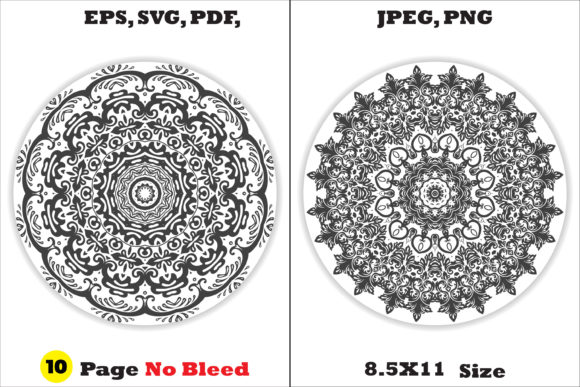
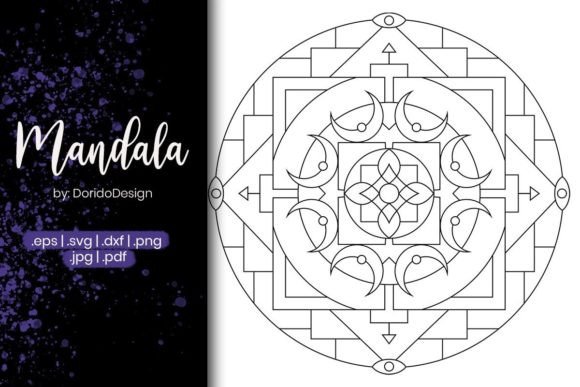
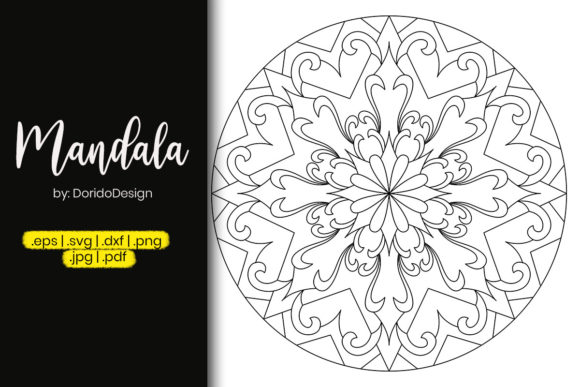
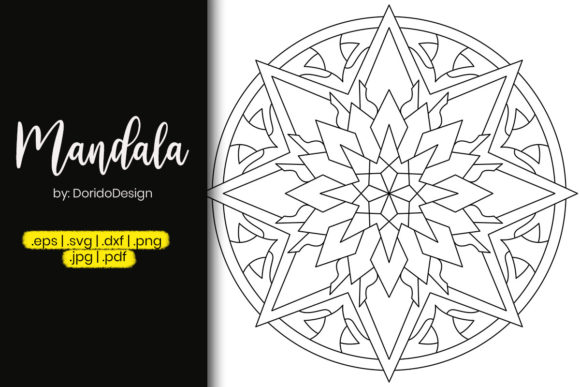
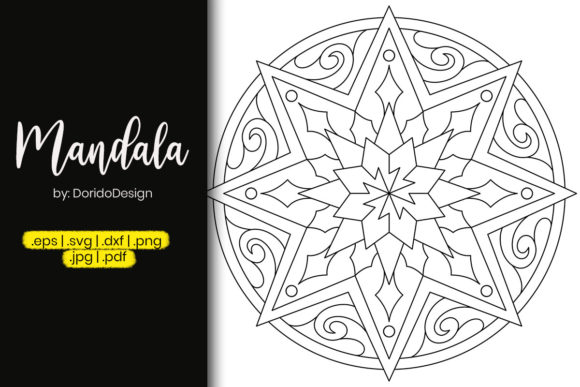
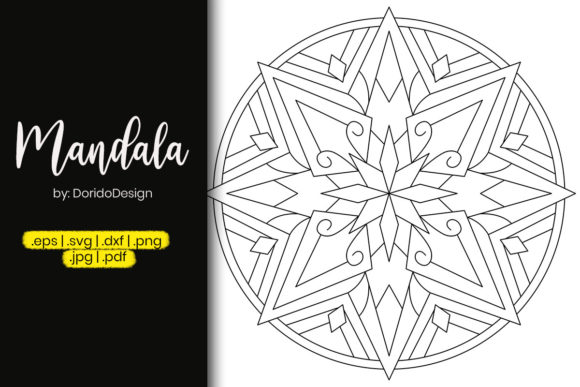
The immediate mood this mandala creates is one of calm, focused elegance. It’s not overly busy, which is a relief. The layout is beautifully centralized with a strong radial symmetry, making it a natural anchor for an embroidery design. The level of detail is inviting without being intimidating—there are clear areas for potential satin stitch borders and fill stitch sections. Its visual personality is timeless and versatile, not tied to a specific season or trend. I instantly pictured it on the center of a linen pillow cover or the front of a simple cotton tote bag.
Where This Mandala Naturally Belongs in Your Work
In my practical judgment, this design belongs to projects where the embroidery itself is the star. Think of a custom embroidered patch for a denim jacket, a statement piece on a premium sweatshirt, or a beautiful focal point on baby embroidery for a special blanket. It has the kind of balanced complexity that adds perceived value to a handmade product. For a small business owner, it could become a signature design for a line of holiday embroidery gifts, like ornament-inspired tea towels or personalized nursery decor.
Performance in Real-Life Embroidery Situations
Imagine you’re preparing a custom tote bag design for a boutique. This mandala, stitched in a rich navy or burgundy thread on a natural canvas bag, would look exceptionally professional. The symmetry means it won’t feel “off-center” to a customer’s eye, which is crucial for customer trust in your craftsmanship. On a pillow cover, its round shape complements the square or rectangular fabric perfectly.
For digital product sellers, this is a strong design asset for creating printable mockups. Its clarity would show well in a shop listing preview for a craft business. In commercial embroidery projects, like a series of caps for a local team, its centralized design works well on the curved front panel, provided the detail level is managed.
Where to Use This Design With Care
My experience tells me to be cautious with smaller hoop sizes. The design’s integrity depends on its details being clear, not compressed. On textured fabrics like some sweaters, the finer lines could get lost. Similarly, on very stretchy or thin fabric, achieving clean edges on the patterned elements will require the right stabilizer and possibly adjusting stitch density. Dark fabric backgrounds demand high-contrast thread colors to prevent the mandala from disappearing.
I’d avoid using it on items with very dense, layered seams or on products that will undergo frequent, harsh washing, as the detailed work could wear faster than a simpler logo. The design’s strength is its aesthetic clarity; that needs preservation.
Impact on Your Product’s Value and Appeal
Stitching this mandala correctly transforms it from a digital graphic into a tactile piece of art. That leap increases visual appeal and, frankly, the price a customer feels is justified. It looks considered and intentional, which boosts handmade presentation and brand consistency if you use similar intricate styles. As a personalized gift, like an embroidered apron or kitchen towel for a wedding, it carries a recognition of care and effort—it’s giftability is high.
For an Etsy seller or small shop product, this design helps a listing stand out. It engages a buyer looking for something more than a basic text logo. It suggests professionalism because it requires skill to execute well. That builds engagement.
Practical Designer Notes Before You Hoop the Fabric
Always, always test the embroidery file on scrap fabric first. Use the same material you intend for the final project. Check thread color contrast against your background—run a test in both light and dark fabric if you plan to offer both options. Inspect the small details in the test stitch-out; are any corners too tight or lines too fine for your machine’s precision?
Review the overall stitch density. A design like this can become very dense if the fills are heavy, which might affect fabric drape on apparel. Confirm the minimum hoop size you can use without sacrificing quality. Crucially, since this product originates in the Graphics and Coloring Pages Amp category, verify its licensing terms before using it for commercial embroidery or selling finished items. The description mentions use for decorative elements, but you must confirm it covers your specific intended use, whether for personal projects or commercial products.
Use proper stabilizer for the fabric type. And think ahead: does this Star Mandala for Coloring Page - Vol 51 work as a standalone piece, or could it be paired with simpler elements for a more complex product, like a themed gift set? Your test stitch-out is your best tool for answering these questions.
In summary, this mandala is a promising candidate for projects where elegance and central focus are key. Its translation from page to stitch depends on your careful handling of scale, fabric, and thread. But with that attention, it can become a truly beautiful finished product that feels both personal and professional.