A Designer’s Review: Abstract Frame 25 for Embroidery Projects
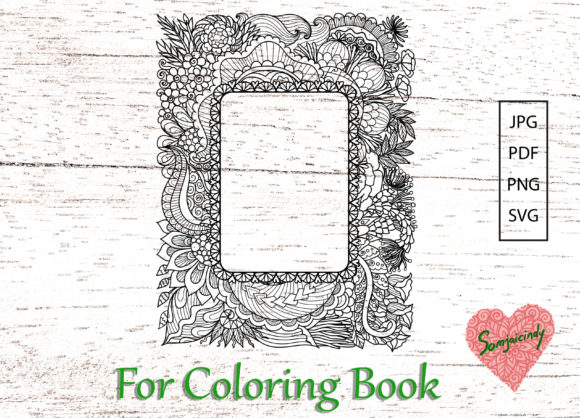
As a designer who regularly evaluates digital assets for real-world embroidery work, my first task is always to visualize how a design will translate from screen to stitches. When I opened the Abstract Frame 25 8.5×11 for Coloring, my initial impression was one of structured flexibility. The frame is not overly ornate, but it possesses a modern, open-linework personality that feels both artistic and adaptable. This isn’t a design that shouts; it provides a clean, geometric canvas. That mood—balanced between artistic and minimalist—makes it a compelling candidate for projects where the embroidery should feel intentional but not overwhelming.
Where This Abstract Frame Shines in Embroidery
Let’s picture a specific scenario: you’re preparing a custom embroidered tote bag for a boutique client who wants a sophisticated, personalized gift. You need a design that frames a name or a short message elegantly, without competing with the fabric’s texture or the bag’s utilitarian shape. This abstract frame is perfect for that. Its 8.5×11 inch size is substantial, making it ideal for centerpiece placements on larger items like pillow covers, tea towels, or the back of a sweatshirt. The open-linework nature means stitch density can be managed; you can opt for a clean running stitch outline for a subtle look or use a satin stitch for a more bold, graphic statement.
Thinking through other real-life embroidery situations, I see it working beautifully on custom apparel like crewneck sweatshirts where a framed monogram adds value. As an embroidered patch, it could be stunning, especially if you fill the interior with complementary colors or textures. For baby embroidery on a blanket or nursery decor item, the frame could elegantly surround a birth date or name, offering a more modern alternative to traditional floral motifs. In a craft business context, such as items for an Etsy listing or craft fair, this design elevates a simple product. A framed, embroidered quote on a kitchen towel instantly feels more like a handmade product and less like a generic commodity.
The Practical Considerations: Fabric and Execution
However, like any embroidery file, its success depends on thoughtful execution. The abstract lines and corners, while clean, require attention on certain surfaces. On stretchy fabric like a t-shirt, you’ll need excellent stabilizer to prevent distortion of those geometric lines. For smaller applications, like on a cap or the corner of a baby item, you’d need to scale the design down significantly, and at very small hoop sizes, some of the finer details might lose clarity. It’s also worth noting that on dark fabric, the contrast needs to be planned; a single thread color for the entire frame might not pop unless it’s very light or metallic.
I would advise against using this on heavily textured fabrics without testing, as the smooth lines could get lost. And for products destined for frequent washing, like aprons or everyday sweatshirts, ensuring the stitch structure is secure—avoiding overly long, loose runs—will maintain the design’s integrity over time.
How This Design Impacts Your Project's Appeal and Value
From a professional standpoint, using a design like this affects more than just aesthetics. It influences customer trust and product value. A well-executed, clean frame embroidery on a tote bag or pillow suggests craftsmanship. It moves the item from "homemade" to "handmade with intent." For small shop owners and Etsy sellers, this distinction is crucial in photography and buyer engagement. The design’s versatility also aids brand consistency; you could use variations of it across different product lines, from apparel to home decor, creating a recognizable style for your store.
Its giftability is high, particularly for personalized gifts like wedding or holiday presents. The frame acts as a respectful spotlight for the personalization, making the embroidered text or interior motif feel special. For commercial embroidery projects, such as branded merchandise for a creative business, the abstract, non-literal nature of the frame could align well with modern branding, offering a more artistic alternative to a simple logo border.
Essential Designer Notes Before You Stitch
Before you load this digital embroidery file and start your project, a few practical steps are non-negotiable. Always test the design on scrap fabric first, using the same material and stabilizer you plan for the final product. This reveals how the lines translate and whether any adjustments to stitch type or density are needed. Check thread color contrast by creating simple black and white mockups or sketching on paper; decide if the frame will be one color or if sections could be varied for effect.
Given the product includes multiple file formats like SVG and PNG, these are invaluable for creating printable mockups for your listings or for previewing placement digitally. Remember, the provided files are design assets within the Graphics category and, from the description, seem geared towards the Coloring Pages Amp space as well. This means their primary origin is as coloring page graphics. For embroidery project use, you are adapting them. Therefore, confirm all technical specifics yourself: hoop size requirements, machine compatibility, and most importantly, the licensing terms. Always confirm licensing before selling finished items or digital products derived from this file to ensure your craft business operates on solid ground.
Ultimately, the Abstract Frame 25 8.5×11 for Coloring is a versatile graphic with strong potential for embroidery adaptation. Its strength lies in its clear structure and modern vibe, offering a professional foundation for personalized and commercial finished products. Approach it with a designer’s eye for detail on fabric choice and execution, and it can become a reliable asset in your repertoire for creating embroidered work that feels both contemporary and carefully crafted.